





The Human Rights Writers Association of Nigeria, HURIWA, has criticized President Bola Tinubu’s pattern of foreign trips, describing it as “economically wasteful, strategically questionable, and dangerously disconnected” from the country’s pressing challenges.
In a press statement signed by National Coordinator, Comrade Emmanuel Nnadozie Onwubiko, HURIWA expressed “grave concern and mounting outrage” over what it called the President’s persistent pattern of overseas travel. The group said the trips come at a time when Nigeria is grappling with insecurity, inflation, unemployment, and widespread social discontent.
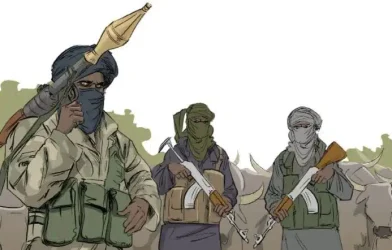
HURIWA cited the President’s recent two-week trip across Africa and Europe, arguing that it coincided with worsening security threats in the Northeast and North Central, including hostage-taking by armed groups in parts of Kwara State. The group questioned why the Commander-in-Chief would be abroad “attending less fancied and irrelevant functions instead of staying back to lead the counterterrorism war from the frontlines.”
The association also raised concerns about the cost of the trips, noting that expenses on aircraft, security, accommodation, estacodes, and large entourages are borne by taxpayers already burdened by subsidy removal and rising energy costs.
“What concrete investments have been secured? What binding agreements have translated into jobs, infrastructure, or economic relief?” HURIWA asked, demanding measurable outcomes from the President’s diplomatic engagements.
The group further questioned the diplomatic reciprocity of the trips, asking how many world leaders have visited Nigeria in return. While saying it is not opposed to international diplomacy, HURIWA insisted that foreign engagements must be “purposeful, limited, and directly tied to clearly defined national interests with verifiable outcomes.”
HURIWA called on President Tinubu to reduce non-essential foreign trips and focus on domestic crises, saying, “The mandate given to President Tinubu is clear: to fix Nigeria. That responsibility cannot be outsourced, postponed, or pursued from foreign capitals.”
The group concluded that history would judge leadership “not by miles travelled across continents, but by measurable improvements in the lives of citizens.”





Comments are closed