




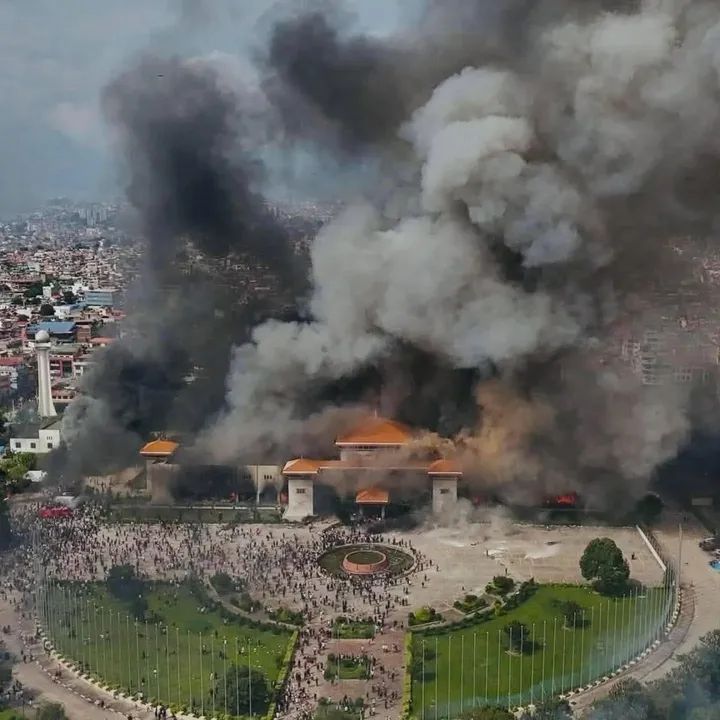
In a dramatic turn of events, Nepal’s Prime Minister KP Sharma Oli has resigned, effective immediately, following days of mass protests that left at least 22 people dead and hundreds injured. The unrest, sparked by a government-imposed ban on social media platforms, escalated into a broader anti-corruption movement led by young Nepalis demanding change.
The Protests and Government Response
The protests, which began as a response to the social media ban, quickly gained momentum as demonstrators accused the government of corruption and attempting to stifle freedom of expression. Despite the government’s decision to lift the ban, protests continued, with demonstrators defying curfews and storming key government institutions, including parliament, which was set ablaze. Security forces responded with tear gas, water cannons, and live ammunition, resulting in widespread casualties.³ ⁴
Resignation and Aftermath
In a letter to President Ram Chandra Paudel, Oli cited the need for a “political solution” to the crisis as the reason for his resignation. The president accepted his resignation, plunging the nation into fresh political uncertainty. The opposition has called for a national government and strict action against corrupt politicians.
Key Demands of the Protesters
– Resignation of Prime Minister Oli
– Formation of a national government
– Strict action against corrupt politicians
– Guaranteed freedom of expression
– Introduction of a retirement age for politicians
Uncertainty Ahead
With Oli’s resignation, Nepal faces an uncertain future. The path forward remains unclear, with the president consulting parties to form a new government. Meanwhile, the nation is left to grapple with the aftermath of the violent protests and the demand for systemic change.







Comments are closed